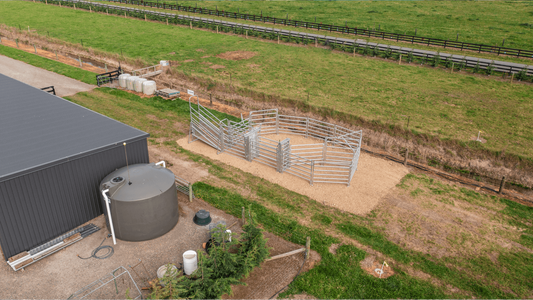
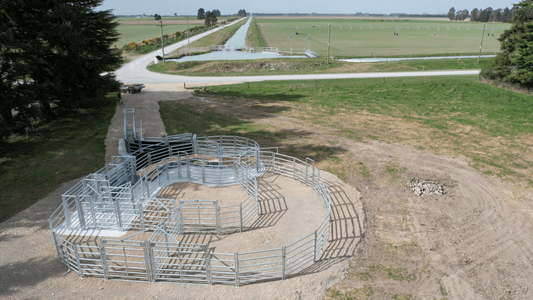
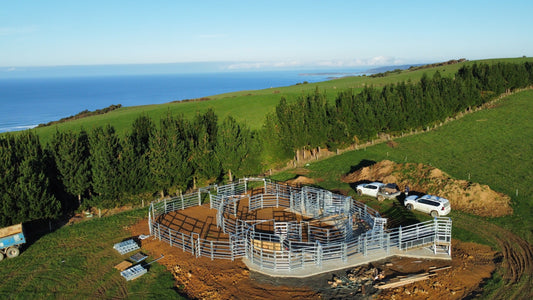
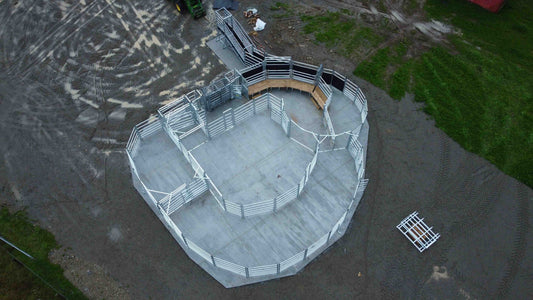
Most first-time lifestyle block owners build their cattle yards twice. Once wrong, and once right. The second build is always better planned, better positioned, and more expensive than it needed to be, because someone skipped a few things they didn't know they needed to think about the first time around.
If you're setting up your first yard for a small herd, this post is worth reading before you commit to a layout. We'll walk through the most common cattle yard design mistakes we see from new lifestyle block owners and what to do instead.
Designing for the Herd You Have, Not the One You'll Have
This is probably the single most common mistake, and it makes sense on the surface. You've got four cattle. You build a yard for four cattle. Simple.
Except six months later, you've got six. Then eight. Then you're trying to figure out how to bolt an extra pen onto a layout that wasn't built to be extended, and suddenly the whole thing needs to be rethought.
Good yard design accounts for growth, even on a lifestyle block. That doesn't mean you need to build a 100-head Commercial yard on day one. It means thinking through whether your layout could be added to without ripping up what you've already got.
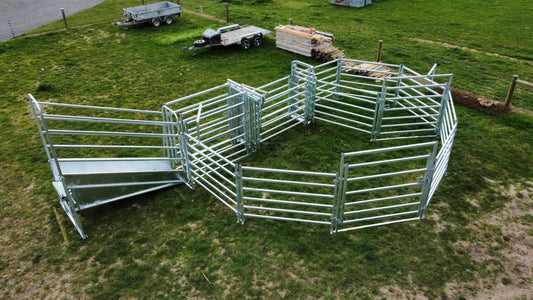
A modular approach is worth considering here. Yards that are designed with expansion in mind, like the MAXXUS range, let you start right-sized and add to your setup as your herd grows. You're not overbuilding from the start, but you're also not painting yourself into a corner.
Getting the Site Wrong Before a Rail Is Even Installed
Where you put your yard matters more than most first-timers realise. We see lifestyle block owners choose a site based on convenience rather than practicality, and then spend months dealing with the consequences.
A few things to think through before you commit to a location.
Drainage is the big one. A muddy yard is a dangerous yard. Cattle lose their footing, stress levels go up, and the risk of injury to both the animal and the person handling it increases significantly. You want a site that drains well naturally or can be prepared to drain well. Compacted gravel, a slight grade, and good runoff planning go a long way.
Vehicle access is the other consideration that catches people out. You need to be able to get a trailer or a truck to your loading ramp without a three-point turn on a slope. Think about where a vehicle will approach from, where it parks, and whether the surrounding ground can handle the weight when it's wet.
The position of the yard relative to where your cattle usually graze also affects how easy it is to bring cattle in. You don't want to be moving animals long distances through awkward terrain every time you need to work them.
Ignoring How Cattle Actually Move
Cattle yard design mistakes that come from ignoring animal behaviour are probably the most fixable in theory and the most common in practice.
Cattle don't move the way humans move. They follow each other, they resist pressure from behind, they baulk at shadows, sharp contrasts in light, and unexpected objects in their line of sight. A yard that fights cattle behaviour instead of working with it makes every single handling job harder and more stressful for everyone involved.
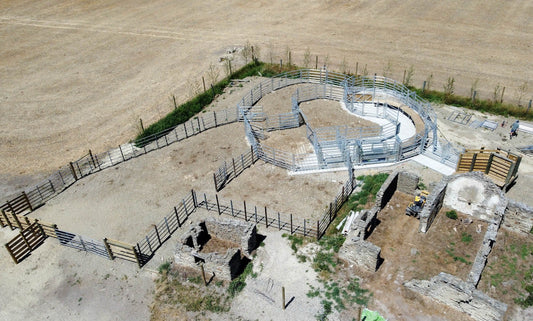
The work of Temple Grandin has shaped a lot of modern thinking on this. Curved laneways, circular forcing pens, and designs that use cattle's natural following instinct rather than trying to override it all make a real difference. A 270-degree system, where cattle curve around and approach the crush in a sweeping arc, tends to produce calmer animals and safer handling conditions than a straight-through approach.
For lifestyle block owners with small herds, this can feel like overkill. It isn't. Even with four or five cattle, a calm animal is a safer animal. And calm animals in a well-designed yard take less time and effort to work with every single time.
Underestimating What a Functional Gate Layout Requires
Gates are where a lot of new yard owners find out what they got wrong. You need enough of them, in the right places, opening in the right directions.
A gate that opens into the path of moving cattle defeats the purpose of having it. A yard with too few gates means you're stuck working around the cattle rather than directing them. And gates that don't latch securely or are difficult to operate one-handed become genuine hazards when you're in the yard alone.
Think through every step of a typical working day in your yard before you finalise your gate positions. Where do cattle enter? How do they move from the holding pen into the forcing area? How do you draft one animal out without letting others follow? How do you get a treated animal back out while keeping the rest settled?
Mapping this out on paper before you build saves a lot of frustration. If you're working with a supplier, ask them to walk you through the cattle flow in your proposed layout before anything is ordered.
Choosing Materials Based on Purchase Price Alone
A yard that costs less upfront and needs replacing in five years isn't great value. That's worth saying plainly, because the temptation to go as light as possible on materials is real, especially for smaller lifestyle block setups.
The two main durability considerations are the steel quality and the finishing process. Hot-dipped galvanising is the standard to look for in New Zealand conditions. It protects against corrosion from the inside out, which matters a lot given the moisture exposure a yard takes year-round. Powder-coated or paint-finished rails look fine initially, but they don't hold up the same way over time.
On structural strength, gauge alone doesn't tell the full story. Rail profile depth is what resists the lateral pressure cattle apply against the panels. Onefarm's cattle rail is 47mm deep, which makes it 15% stronger than most alternatives for that specific type of load. It's one of those things that isn't obvious when you're comparing specs on a page, but it matters in practice.
Skipping the Crush Placement Conversation
The cattle crush is where most of the actual work happens. Vaccinating, drenching, ear-tagging, pregnancy testing. It needs to be in the right position within your yard to function properly.
Common mistakes here include placing the crush too close to a fence or gate that interferes with the handler's working space, or positioning it so that cattle approaching from the forcing pen are looking into direct sunlight, which causes them to baulk and back up.
The crush also needs solid ground underneath it and around it. A crush on soft or uneven ground is a handling problem and a safety problem, and the compacting and levelling work is easier to do before everything is installed than after.
Not Thinking Through Who Else Will Use the Yard
On a lifestyle block, the person building the yard is often not the only person who will use it. It might be a partner, a teenager, a neighbouring farmer lending a hand, or a vet making a call. Your yard design should account for that.
Wide enough laneways so that someone less experienced has time to react. Gates that don't require significant strength to operate. Sight lines that let you see where cattle are at any point in the system. Safe exit options so that if something goes wrong, a person can get out of the yard without going through the cattle.
These aren't complicated design requirements, but they get left off the plan surprisingly often when someone is designing their first yard around their own workflow and their own experience level.
Before You Build, Talk It Through
A lot of these cattle yard design mistakes are avoidable with a decent conversation before anything gets ordered. Not a sales call where someone upsells you into a yard twice the size you need, but a real conversation about your herd, your site, your typical working day, and what you're actually trying to achieve.
That's how we approach it at Onefarm. Flick us a message or give us a call on 0800 ONEFARM and you'll get a Kiwi on the other end who knows their way around yard design and is happy to help you get it right from the start.
Getting the first build right is always better than building twice.