Your gate fails once, and that's the story everyone remembers. A latch that won't hold, a hinge that gives way under pressure, a panel that flexes when it should be rigid. The stock gets through, someone gets hurt, and the whole job grinds to a halt. It's not a dramatic scenario. It's just what happens when you buy gear that wasn't designed to be used every single day.
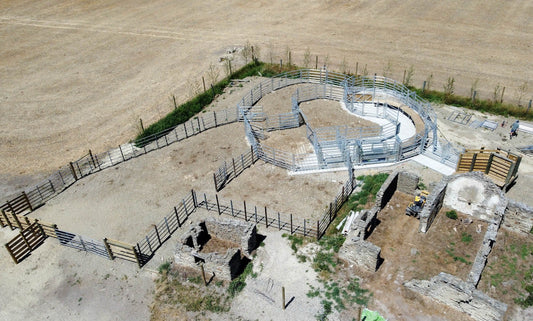
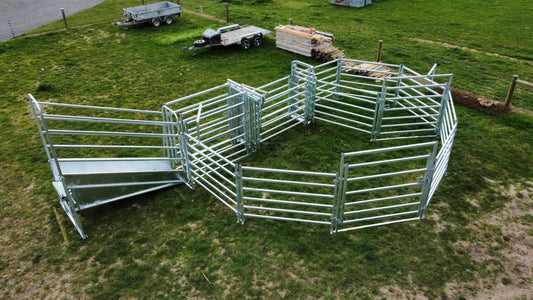
Gates and panels are the most handled components in any cattle yard setup. They're opened and closed, swung wide and slammed shut, leaned on, kicked against, and generally subjected to the full force of 500-kilogram animals doing what they'd rather not do. If you're spec'ing out your yard and treating gate selection as an afterthought, you're building your whole operation around a weak point.
This post walks through what actually matters when you're choosing cattle yard gates and panels. Not the stuff that looks good on a spec sheet, but the things you'll feel the difference in after six months of daily use.
Why Daily Use Changes Everything
There's a meaningful difference between gear that gets used occasionally and gear that's working every day. A gate that's opened a handful of times a year is a very different proposition to one that's in motion every morning before breakfast.
Wear is cumulative. Hinges that feel solid out of the box can develop slop over time if the design doesn't account for the lateral load cattle put through a gate. Latches that close cleanly when new can start lifting or sticking after repeated impact. Panels that seem stiff enough on their own can flex and rattle once they're taking repeated pressure from livestock moving through a race.
What you're looking for isn't just quality at the point of purchase. You're looking for gear that holds its tolerance over thousands of uses. That's a higher bar, and it's worth applying it before you commit.
Start With the Hinge
If there's one component worth scrutinising before anything else, it's the hinge. Everything else about a gate can be right, but a poorly designed hinge will undermine the whole thing.
Look at how the hinge handles vertical and lateral load independently. A gate carrying its own weight needs vertical support. But when a beast leans into it, the load shifts sideways. A hinge that's designed only for the first type of load will work loose under the second. Over time, that means a gate that no longer closes flush, sits crooked, or requires constant adjustment.
Heavy-duty butt hinges with solid weld points on both the post and the gate are a good starting position. But also look at how much adjustment the hinge allows once the yard is in place. Ground conditions change over time, particularly in wet climates or on sites where the base isn't perfectly level. Some hinge designs allow you to re-square a gate without dismantling the whole panel. That's the kind of practical detail that matters on a working farm.
What Separates a Good Latch from a Frustrating One
You'll operate your latch more than any other single component in the yard. Multiply that by every gate in the system, across every working day, and the design of that small mechanism becomes genuinely important.
A latch needs to operate with one hand. That sounds obvious, but it eliminates a surprising number of options. When you've got a beast in the crush, your other hand isn't free. A latch that requires two hands to close, or that you have to look at directly to engage, is a latch that's going to slow you down every single time.
Look also at how the latch behaves under impact. Stock will push against gates, and a latch that vibrates open under pressure is a safety issue. This is why we build our gates around slam latches rather than spring-loaded catches. A slam latch locks positively the moment the gate closes, and once it's shut, it holds under pressure rather than working loose with repeated knocks. They're also simpler to operate one-handed in the cold or wet, when spring-loaded mechanisms tend to get stiff and fiddly right when you need them to work smoothly.
One more thing worth checking: can you operate the latch while wearing gloves? It's a small detail that gets overlooked at the time of purchase and remembered every winter morning.
Rail Profile and Why It Matters More Than Thickness
A lot of farmers default to steel gauge as the measure of how strong a panel or gate is. Thicker steel means stronger, right? Not necessarily.
Cattle apply lateral pressure. They lean, push sideways, and surge as a group. The load that matters most isn't downward; it's horizontal. And the dimension of your rail that resists horizontal load is depth, not thickness.
Rail profile depth is a more reliable indicator of strength in cattle yard gear than gauge alone. Our 47mm deep cattle rail, for instance, is 15% stronger than most alternatives you'll find at a similar price point, specifically because it's designed around how cattle actually move rather than how steel is typically measured. That kind of engineering detail won't show up in a quick price comparison, but you'll notice the difference in how a gate holds up under the kind of load a working yard puts through it every day.
Galvanising: Not All Finishes Are Equal
Rust is the slow enemy of any steel yard. In a New Zealand climate, particularly in coastal or wet hill country environments, the finish on your gates and panels is a long-term investment decision, not just an aesthetic one.
Hot-dipped galvanising is the benchmark. The process involves immersing the steel in molten zinc, which bonds metallurgically to the surface rather than just coating it. The result is a finish that protects not just the surface but the edges, welds, and internal sections where rust typically starts. It's more durable than powder coat or spray galvanising, and it will outlast both in real-world conditions.
When comparing options, ask specifically whether the product is hot-dipped. The difference in longevity is significant, and it materially affects the cost of ownership over a ten-year horizon. A gate that costs more upfront but doesn't rust out in year four is the better financial call.
Cattle Yard Gates Are a Daily Tool, Not a Set-and-Forget Purchase
You're not buying a piece of infrastructure, you're buying a tool that your hands will be on every single working day. The hinge that swings smoothly or starts to fight you. The latch that closes with one hand or makes you set something down. The rail that holds firm or starts to give.
None of these details show up in a sales brochure. They show up in six months of use.
If you're building or upgrading a yard and want to talk through what spec actually makes sense for your setup, whether that's a lifestyle block or a larger commercial operation, flick us a message or give us a call on 0800 ONEFARM.